
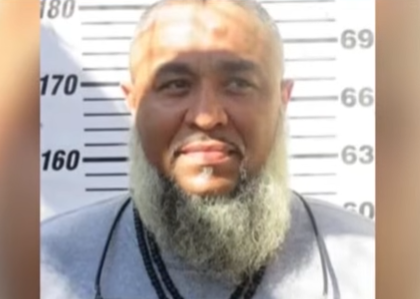
Triple murder inmate Tony Carruthers has received a one-year reprieve from execution after Tennessee prison staff called off his lethal injection when they failed for more than an hour to properly establish the required IV lines.
Carruthers, 57, was scheduled to die by lethal injection at 10 a.m. Thursday at Riverbend Maximum Security Institution for the 1994 kidnappings and murders of Marcellos Anderson, Delois Anderson, and Frederick Tucker in Memphis.
According to the Tennessee Department of Corrections, medical personnel were able to insert a primary IV line but could not locate a suitable vein for a mandatory backup line required under the state's lethal injection protocol. Officials also reported unsuccessful attempts to insert a central line before the warden halted the execution, according to USA Today.
Governor Bill Lee announced a one-year temporary reprieve shortly after the procedure was stopped, delaying any new execution date until at least May 2027. In a statement, his office said the reprieve was issued in light of the problems establishing intravenous access and in keeping with state protocol.
Witnesses, including members of Carruthers' legal team, said he appeared to be in visible pain during the repeated attempts to obtain venous access. Federal public defender Amy Harwell said her client "lost lots of blood" and confirmed he was taken off the gurney and returned for medical evaluation after the execution was canceled.
Read more: Florida Executes 58-Year-Old Man Who Bludgeoned and Set Next-Door Neighbor on Fire in 1990
Attorneys for Carruthers had filed emergency motions in state and federal courts earlier Thursday, arguing that the state's efforts to establish an IV already amounted to cruel and unusual punishment, the Independent reported.
They have long questioned his conviction and mental competency, and in the days leading up to the execution, advocacy groups submitted petitions with more than 100,000 signatures urging clemency.
The failed execution comes after Tennessee revised its lethal injection procedures in 2024, following a pause in executions over drug testing and protocol problems.
The incident is expected to intensify scrutiny of the state's execution methods and oversight, as other states have faced similar execution halts tied to difficulties finding suitable veins for condemned prisoners, as per Death Penalty Info.


