
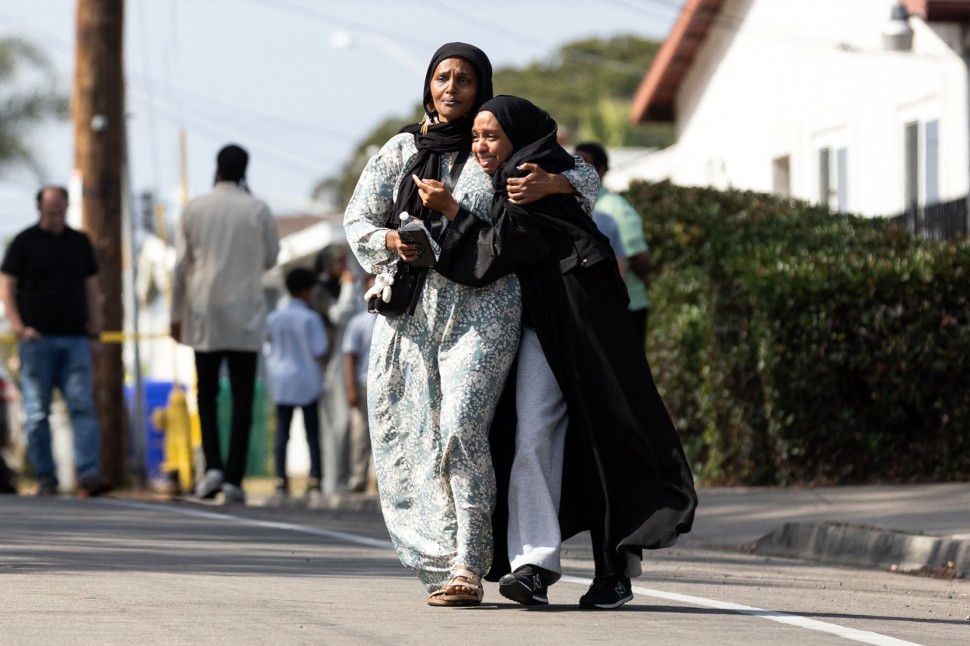
The fatal shooting at the Islamic Center of San Diego may become far more than a local criminal investigation. Legal analysts increasingly believe the attack could reignite national debate over federal hate crime enforcement, online extremist radicalization, security obligations for houses of worship, and the growing legal scrutiny surrounding domestic terrorism prevention in the United States.
Authorities say three men were killed after two teenage gunmen opened fire at the Islamic Center of San Diego before later dying from apparent self-inflicted gunshot wounds. Law enforcement officials stated investigators are treating the incident as a potential hate crime after anti-Islamic writings and extremist rhetoric were reportedly discovered in connection with the suspects. Reports indicate approximately 140 children were inside the mosque complex during the attack.
Among those killed was mosque security guard Amin Abdullah, who authorities and community members described as a hero after he reportedly confronted the shooters and helped trigger a lockdown that may have prevented mass casualties.
Federal investigators are now expected to examine whether the shooting qualifies for prosecution under federal hate crime statutes, including the Matthew Shepard and James Byrd Jr. Hate Crimes Prevention Act. Legal scholars note these laws permit enhanced federal prosecution when violent crimes are motivated by religion, race, ethnicity, or other protected characteristics.
The legal significance of the San Diego attack may extend beyond traditional hate crime prosecution. Attorneys specializing in domestic extremism cases increasingly warn that online radicalization ecosystems are producing decentralized extremist violence that existing enforcement systems struggle to prevent.
Investigators reportedly discovered extremist writings connected to racist, anti-Muslim, antisemitic, and misogynistic ideologies. Law enforcement officials are also examining whether online manifestos, livestream content, or digital radicalization networks influenced the attackers.
Counterterrorism experts note the attack bears similarities to previous acts of ideologically motivated violence targeting religious institutions, including the 2019 Christchurch mosque shootings in New Zealand and the Poway synagogue shooting in California. Legal analysts say courts and lawmakers increasingly face pressure to determine whether current domestic terrorism statutes adequately address online extremist recruitment and copycat radicalization patterns.
The attack may also intensify legal and political debate over security obligations for religious institutions. Following prior attacks on synagogues, churches, and mosques, many religious organizations expanded private security, surveillance systems, and armed protection programs.
Attorneys specializing in nonprofit and religious-institution liability say the San Diego shooting may renew discussions regarding:
• Duty-of-care standards for houses of worship
• Security grant funding
• Armed security personnel
• Emergency response planning
• Civil liability exposure following mass violence
• Government protection responsibilities
Some lawmakers are already calling for expanded federal security funding for religious institutions amid rising hate crime concerns nationwide.
Civil-rights organizations also argue the attack highlights broader societal consequences of escalating anti-Muslim rhetoric and extremist propaganda circulating online and within political discourse. Religious liberty advocates warn increasingly hostile rhetoric may contribute to environments where targeted violence becomes more likely.
The legal ramifications could ultimately extend into multiple areas of law, including constitutional law, civil rights litigation, platform liability debates, nonprofit security obligations, and federal domestic terrorism policy.
As federal investigators continue examining the San Diego shooting, legal experts say the case may become one of the defining hate-crime and religious-liberty investigations of the decade—particularly as courts, lawmakers, and law enforcement agencies confront growing questions regarding extremist radicalization and the protection of vulnerable religious communities.


