
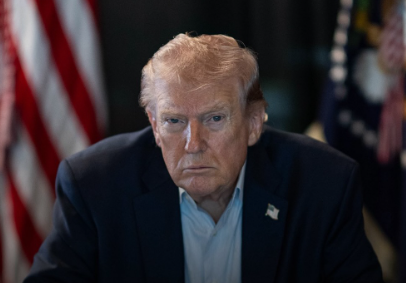
President Donald Trump was described as surprised and amused after U.S. intelligence shared unverified claims that Iran's new supreme leader, Mojtaba Khamenei, may be gay and once had a long-term relationship with a male tutor, according to multiple reports.
According to accounts summarized by Indian media and other outlets, intelligence sources told the White House that Khamenei allegedly maintained a years-long relationship with a man who had been his childhood tutor and later worked for the family.
Officials cited in those reports said the information was assessed as credible within parts of the intelligence community but acknowledged there is no photographic evidence. The reports also say that rumors about Khamenei's sexuality had circulated in Iranian political circles before his selection as supreme leader, according to the New York Post.
Follow-up coverage in U.S. conservative media said the White House briefed Trump on the claims as part of a wider profile of Iran's new leader. One report said Trump laughed when told about the alleged relationship and that aides described his reaction as strongly amused. Those accounts also say Trump asked advisers whether the allegations could influence internal dynamics among Iran's ruling elite.
The same media reports, citing intelligence summaries, include allegations that Khamenei made unwanted advances toward male caregivers while recovering from injuries in the Feb. 28 strikes that killed his father, Ayatollah Ali Khamenei.
Officials quoted in those accounts said some incidents may have occurred while Khamenei was under heavy medication. U.S. agencies have not publicly confirmed the details or released supporting material, India Today reported.
Analyses of Iran's succession process in international and regional outlets note that the late Ayatollah Ali Khamenei was sensitive to public perceptions around his son's potential rise.
Commentators report that he was cautious about appearing to arrange a direct handover, amid concerns that it could deepen criticism of hereditary-style power inside the Islamic Republic. Despite those concerns, reporting indicates that key security institutions and clerical allies ultimately backed Mojtaba's path to the top post after his father's death.
Mojtaba Khamenei, 56, was formally named Iran's supreme leader in early March after years as an influential but little-seen figure around his father's office. Iranian authorities have not issued a public response to the specific claims about his personal life, and the allegations remain unverified by official sources, as per the New York Times.


