
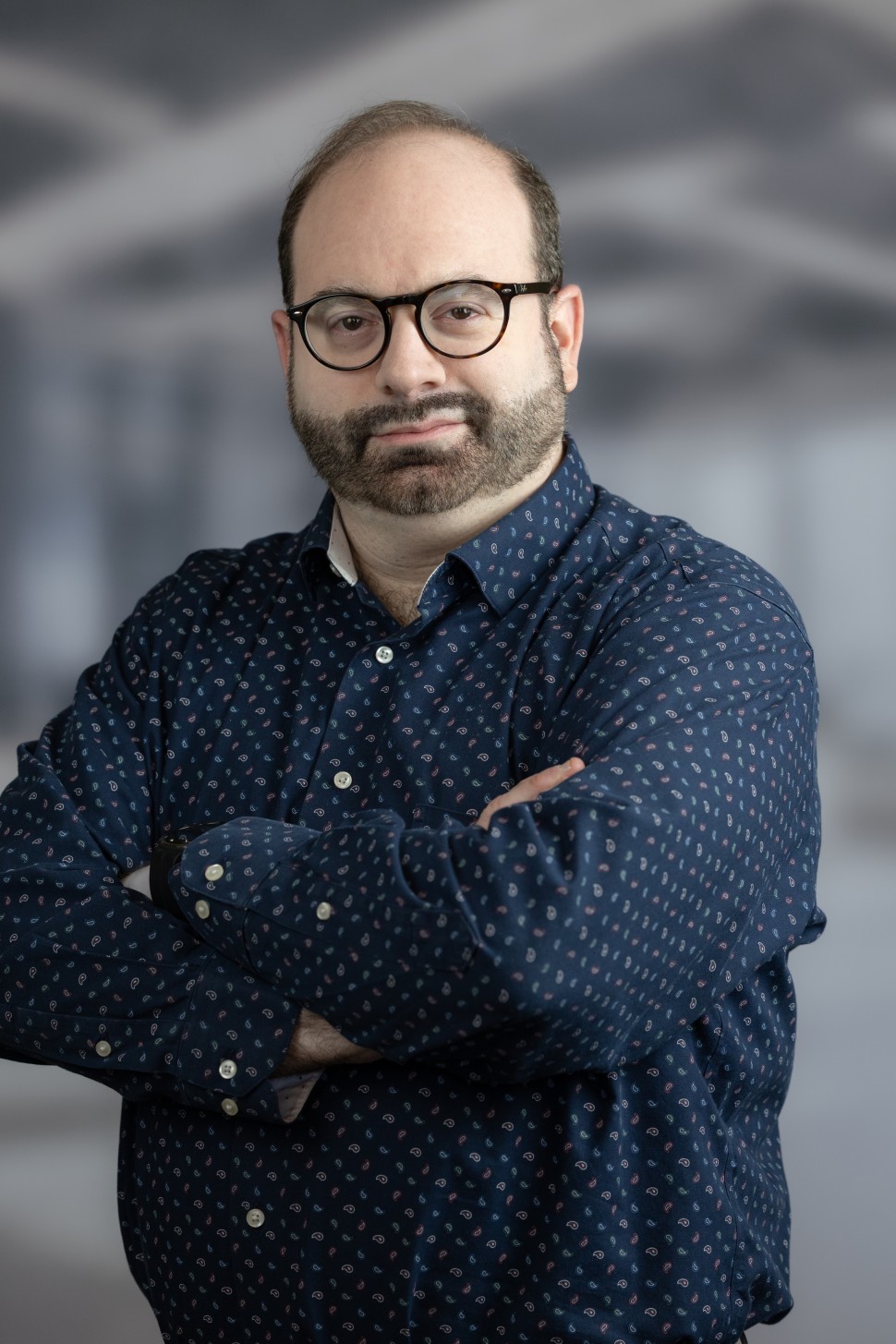
When a complex cybercrime case reaches the courtroom, the choice of a cybersecurity expert witness often determines whether the evidence holds or unravels. Courts and opposing counsel assessing expert witness cybersecurity credibility look beyond certifications. They focus on methodology, restraint, and judgment under cross-examination. That is why attorneys increasingly rely on Joseph Steinberg, cybersecurity expert witness and former Forbes columnist, in high-stakes cybercrime litigation. Across more than fifty engagements, his work as a cyber forensic expert witness has resulted in over 90 percent favorable outcomes. Steinberg attributes this record not just to advocacy but to a rigorous approach centered on selective case acceptance, careful technical analysis, and a refusal to work on a case unless the facts support a defensible and just conclusion.
As a leading authority in cybersecurity expert testimony, Steinberg's work underscores that while strong expert witness credentials are essential, great importance also lies in how and why an expert chooses to engage. This disciplined approach has become increasingly relevant as the stakes of cybercrime continue to escalate.
The stakes could not be higher. The global cost of cybercrime is projected to reach a staggering $10.29 trillion in 2025 and climb to $11.36 trillion by 2026. By 2028, annual damages could soar to $13.82 trillion, reflecting both the growing volume of attacks and the increasing sophistication of digital threats. For lawyers handling high-stakes cases, these numbers underscore the critical importance of expert testimony that can parse complex technical evidence with precision and authority.
These figures are echoed in U.S. data. According to the FBI's Internet Crime Complaint Center (IC3) 2024 report, complaints reached 859,532 in 2024, with reported direct losses totaling $16.6 billion, a 33% increase from the previous year. Taken together, these global projections and U.S. reporting trends point to a legal landscape in which cyber incidents are not only more frequent and costly, but increasingly dependent on expert judgment to determine accountability.
Unlike cybersecurity consultants focused on breach prevention or forensics experts who explain what happened, expert witnesses provide an objective analysis of what digital evidence actually shows happened versus what should have happened. They apply industry standards to assess whether parties acted reasonably and whether technical claims hold up under detailed scrutiny. In high-stakes litigation, that distinction is critical. Steinberg's work demonstrates the importance of an expert's judgment, selectivity, and methodological rigor.
Why Most Cybercrime Expert Witnesses Accept Every Case and Why Joseph Steinberg Doesn't
The expert witness market follows a simple economic incentive. Fees are substantial, and many experts maximize income by accepting nearly every engagement. Availability often takes priority over careful case evaluation.
Steinberg takes the opposite approach.
For him to agree to take a case, he says, "I have to believe that I am on the side of justice. I have to believe that I can actually help win the case. And I have to believe that the case is winnable."
That restraint has a cost. He could increase revenue by taking more matters, but he declines cases where the evidence does not support a potential client's position. In practice, this selectivity signals a focus on accuracy, integrity, and ethics over volume.
His perspective is informed by experience. "I saw and have been able to help people wrongly accused of crimes based on prosecutors' misunderstanding of the interpretation of evidence," he says.
This selectivity also affects litigation dynamics. Opposing counsel recognizes that Steinberg is unlikely to be involved unless the arguments that attorneys can make based on his positions are strong. As a result, his reports often carry significant weight, contributing to earlier settlements and reducing reliance on extended litigation built on uncertain technical theories.
For lawyers evaluating expert witnesses, this highlights an important strategy: Look beyond just credentials and availability. Experts who apply careful judgment early in a case can dramatically strengthen negotiating leverage, reduce trial exposure, and improve the likelihood of favorable outcomes, even in highly complex cybercrime matters.
The Three-Criteria Framework That Explains a 90–100% Favorable Outcome Rate
Joseph Steinberg's framework rests on three clear criteria. The first is justice: the facts and evidence must support a morally and legally defensible outcome. The second is impact: the expert's technical analysis must be able to materially influence the trajectory of the case in a just direction. The third is viability: there must be sufficient technical evidence for Steinberg to believe that, with his assistance, a lawyer can win the case.
By applying these filters early, weak cases are screened out, and strong cases receive thorough, methodical analysis. The resulting outcome rate reflects disciplined case selection rather than just advocacy.
Steinberg works for both plaintiffs and defendants in civil and criminal matters. The determining factor for him is not on which side a potential client sits, but justice as supported by the evidence. This reinforces a key principle: an expert's value, reputation, and win rate can vary dramatically based on how carefully they evaluate whether a case should be taken at all.
This framework also explains common settlement patterns in complex cyber cases. When opposing parties review a detailed, credible technical report, proceeding to trial or arbitration often becomes a high-risk decision. Settlements frequently follow, reducing cost, exposure, and reputational harm.
How Expert Witness Credentials Matter Less Than Selective Case Acceptance
Steinberg brings extensive academic and professional experience. He holds a master's degree in computer science from NYU, completed doctoral-level coursework, authored widely used cybersecurity texts, teaches at the university level, and has contributed to both national certification standards and to the creation of various security technologies in use today.
Still, he emphasizes that résumés do not decide cases. Outcomes depend on how expertise is applied.
From Decades in Prison to Dismissed Charges: When Cybersecurity Expert Testimony Changes Everything
One criminal case offers a clear example of how careful review of digital evidence can change the course of a prosecution.
In this matter, the defendant faced multiple felony charges and the possibility of decades in prison. According to cybersecurity expert Joseph Steinberg, the case appeared headed toward trial until the technical evidence was examined more closely. After that review, the prosecutor agreed to a plea to a petty misdemeanor with a six-month suspended sentence. If the defendant stayed out of trouble, the entire matter would be expunged.
The shift came from how the evidence was understood. Steinberg's analysis showed that critically important details had been overlooked, and once those elements were taken into account, key assumptions underlying the prosecution's theory did not hold up.
This case is one example of a broader pattern seen in matters involving complex technical claims. Steinberg's role was limited to analyzing the evidence and explaining what it did and did not show. The defense attorney used that analysis in discussions with the prosecutor, who ultimately adjusted their approach to the charges, rather than risk advancing technical claims that would not withstand scrutiny at trial.
The Economic Reality: How Lawyers Multiply Case Values with the Right Expert Witness
The right expert witness can materially affect case value. A clear, defensible technical analysis can expose weaknesses in opposing arguments, clarify damages, and accelerate resolution.
In some matters, Steinberg notes, settlements or recoveries have significantly exceeded initial expectations once both sides' counsels reviewed a detailed, credible report. These results often reach into the millions, with interest and attorney fees often increasing the outcome.
The value comes not from inflating claims but from presenting technical realities in a way that aligns with legal strategy and withstands scrutiny. For attorneys, an expert who combines rigorous methodology with selective case acceptance can reduce trial risk, strengthen negotiation leverage, and materially improve outcomes.


