
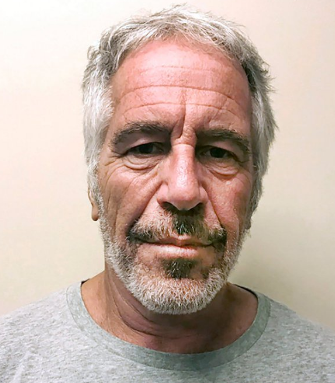
Doctor Michael Baden, the forensic pathologist who observed Jeffrey Epstein's autopsy, has again asserted that the sex offender's neck injuries are more consistent with strangulation than suicide, renewing questions about whether newly released "Epstein files" could shed light on what happened in his jail cell.
Baden, a former New York City medical examiner hired by Epstein's brother, has long argued that fractures in Epstein's thyroid cartilage and hyoid bone, along with hemorrhaging in the neck, point toward homicidal strangulation rather than self-inflicted hanging. He says the pattern of injuries is unusual in typical jailhouse suicides, especially for a 66-year-old man.
The official ruling by New York City's Office of Chief Medical Examiner remains suicide by hanging, and no law enforcement agency has formally reclassified the cause of death. However, discrepancies around guard checks, surveillance footage, and Epstein's previous placement on suicide watch have continued to fuel public skepticism, according to the BBC.
Newly disclosed federal documents, part of a multi-million-page release mandated by the Epstein Files Transparency Act, detail security lapses at the Metropolitan Correctional Center, including missed 30‑minute checks and a nonfunctional monitoring system in Epstein's unit on the night he died. Records also show his cellmate was moved out just a day earlier, despite prior recommendations that Epstein not be housed alone.
Separate files and inspector general reviews reference an unidentified corrections officer briefly appearing on the tier where Epstein was held around 22:39, with video later deemed too blurry by city medical examiners to identify individuals. Hours after that footage review, the medical examiner publicly announced the suicide finding without providing a time-of-death estimate.
BREAKING: 🇺🇸 Doctor at Jeffrey Epstein's autopsy says he was strangled, not hanged. pic.twitter.com/pbeIpngfWK
— Coinvo (@Coinvo) February 23, 2026
The latest tranche of Justice Department records, bringing total public releases to about 3.5 million pages, includes internal timelines of Epstein's detention, communications among prison officials, and FBI summaries referencing his earlier claim that a cellmate tried to harm him weeks before his death. Lawmakers had pressed the department after it missed an initial deadline, arguing that delays and redactions undermined confidence in the investigation, NPR reported.
As journalists, lawyers, and victims' advocates comb through the material, they are watching for any corroboration of Baden's contention that Epstein was strangled, such as unreported witness statements, forensic reviews, or unsealed surveillance analyses. So far, the documents raise new questions about security failures and decision-making, but stop short of providing definitive evidence that Epstein was killed.
Officials say some portions of the files remain redacted to protect victims and ongoing investigations, leaving key details about Epstein's final hours still out of public view. That continuing secrecy, combined with Baden's autopsy claims, ensures debate over whether Epstein was strangled in jail—and whether the answer lies in the remaining files—will persist, as per The Telegraph.


